
A Comprehensive Overview
The Political Shift in the USA and the Potential Impact on Zambia
“How will the political shift in the USA potentially impact Zambia and the region, and what will the EU and its member states’ response be?”
This event brought together thought leaders and practitioners to explore the potential implications of U.S. political changes for Zambia, Southern Africa, and EU–Africa relations.
Event Details
Date: Wednesday, September 24th, 2025
Time: 16:00hrs
Venue: AfricaWorks Agora Village, Thabo Mbeki Road
Your Title Goes Here
Explore Our Visual Recap
Event Highlights
Your Title Goes Here
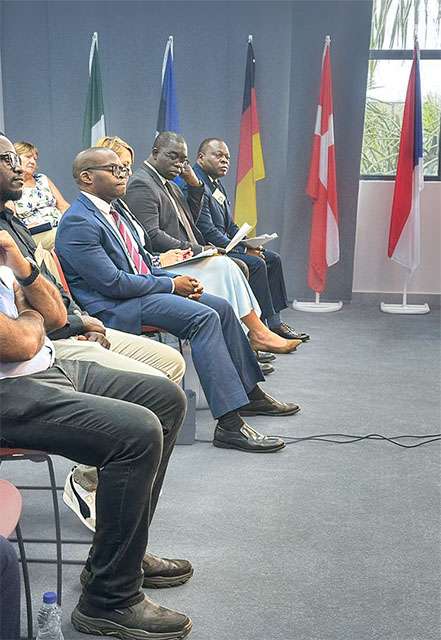
Event Overview
The Political Shift in the USA and the Potential Impact on Zambia
Introduction
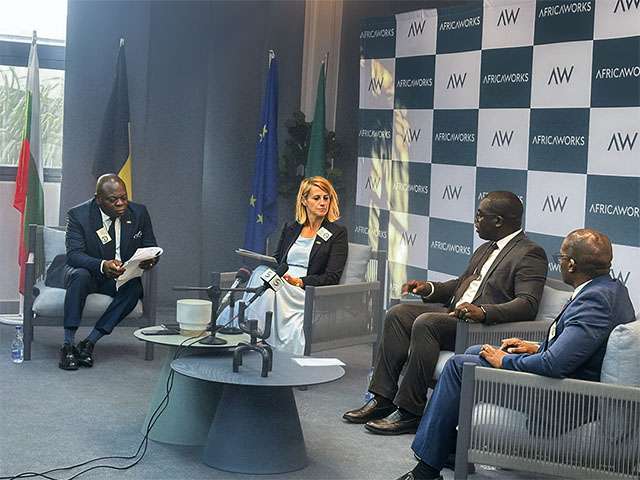
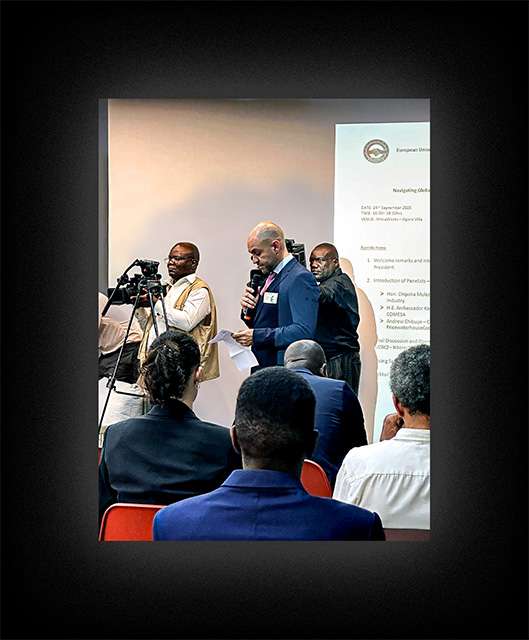
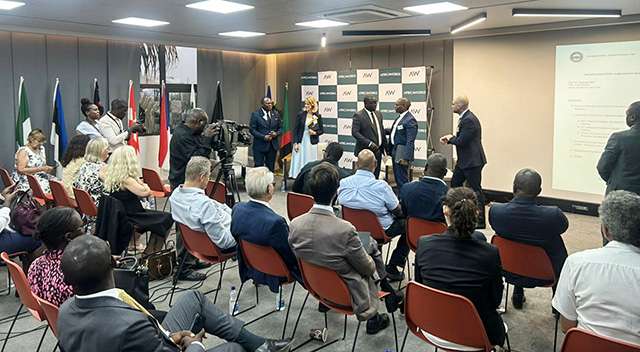
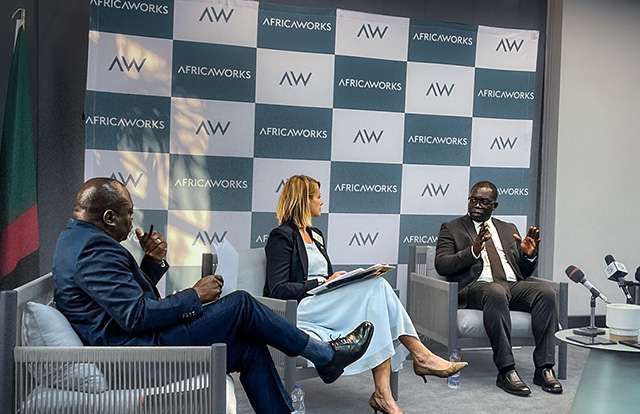
The EU–Zambia Business Club (EUZBC) convened a high-level panel discussion on 24th September, focused on Zambia’s economic opportunities and challenges amidst global geopolitical shifts, how these policy shifts are affecting Zambia and the broader region, and how the EU and its member states can respond. The event brought together voices from government, diplomacy, and business to reflect on opportunities for Zambia’s economic transformation.
Panelists
- Hon. Chipoka Mulenga – Minister of Commerce, Trade and Industry
- H.E. Ambassador Karolina Stasiak – EU Ambassador to Zambia and COMESA
- Andrew Chibuye – Country Senior Partner, PricewaterhouseCoopers
Moderator: Gabriel Mumba, Vice President – EUZBC
Key Highlights
Opening Remarks – Michael Kroupnik, EUZBC President
- Stressed EUZBC’s mission to bridge dialogue between the private sector and policymakers.
- Noted EUZBC’s advisory role with EU delegations and international partners throughout 2025.
- Highlighted the upcoming EU–Zambia Business Forum in November as a milestone event, centered on the Lobito Corridor project, described as the cornerstone of EU–Zambia cooperation.
- Addressed the impact of U.S. tariff increases and policy changes on Zambia’s exports, noting reductions in aid and adverse effects on livelihoods.
- Urged Zambia to move beyond raw copper exports, targeting value addition and industrialization. By 2031, Zambia aims to become Africa’s leading producer of electric cables.
- Emphasized SME empowerment through local content policies and fair procurement rules, calling for EU support in ensuring SMEs gain direct benefits from large-scale investments.
- Described the Lobito Corridor as “an economy on its own” — not just a transport route, but a regional economic ecosystem connecting Zambia, Angola, and the DRC.
- Benefits include enhanced agricultural exports, warehousing, energy and fuel stations, logistics hubs, and opportunities for SMEs along the corridor.
- Highlighted contract farming models as a way for Zambia and European investors to jointly produce for EU markets, ensuring technology and skills transfer.
- On energy: acknowledged Zambia’s recent drought and power shortages, but outlined diversification strategies into solar, hydro, and clean coal, with private sector partnerships.
H.E. Ambassador Karolina Stasiak – EU Delegation
- Reaffirmed that the EU remains a dependable and long-term partner, with over 50 years of investment in Zambia.
- Outlined the Global Gateway Strategy: €300 billion globally, with €150 billion for Africa. Zambia is already benefiting through:
- Kariba Dam refurbishment and energy interconnectors (Zambia–Tanzania–Kenya).
- Support for renewable energy and solar integration for water utilities.
- Programs in agriculture and SME financing, including Green Tech for Circular Economy.
- Positioned the Lobito Corridor as a flagship EU-Zambia partnership.
- To be launched formally at the Lobito Corridor Business Forum in November 2025.
- Will diversify Zambia’s trade routes, unlock the potential of the Copperbelt and Northwestern Province, and link to Angola’s port.
- Designed as a comprehensive economic corridor – including transport, energy, logistics, mining, agriculture, and digital connectivity.
- Emphasized attracting European private sector investment into Zambia through the corridor, particularly in critical raw materials and agri-business.
- Noted EU support to help Zambian SMEs meet international quality and ESG standards, enabling greater access to global markets.
Andrew Chibuye – PwC
- Presented trade data showing Zambia’s limited EU exports despite preferential access.
- Example: in early 2025, Zambia exported over $7 billion globally, but only small amounts went to EU countries.
- Highlighted key barriers:
- Zambia’s heavy reliance on raw material exports, with insufficient finished goods production.
- Inconsistent supply and scale, especially among SMEs, making it difficult to meet export orders.
- Financing gaps – commercial bank loans unsuitable for SMEs needing development finance.
- Logistics barriers – lack of direct transport routes to Europe for perishable and bulk goods.
- Stressed that the Lobito Corridor could help resolve logistics and scale challenges, but only if paired with SME capacity building and supportive financing models.
Audience Contributions
- Agriculture and veterinary services: Long-term members expressed frustration at Zambia’s failure to capitalize on EU beef quotas due to weak veterinary systems, corruption, and lack of disease-free zones.
- SME classification mismatch: Concern that EU and Zambia classify SMEs differently, creating barriers for targeted support. Ambassador clarified the EU uses Zambia’s SME definition in local programs.
- Energy security: Investors flagged power shortages as a key barrier to scaling local industry. The Minister assured that reforms and diversification projects are underway to stabilize supply.
Closing Reflections – Deborah Bwalya, EUZBC Board Secretary
- Discussions emphasized action over words: policies must translate into real, measurable benefits for SMEs and local communities.
- The EU was praised as Zambia’s “all-weather partner,” with long-term, predictable commitments.
- The Lobito Corridor emerged as a defining project — not only for Zambia’s exports, but as a regional growth catalyst linking agriculture, mining, and trade to global markets.
- The event closed with a vote of thanks and a networking cocktail, allowing members to continue conversations informally.
Key Takeaways
- Geopolitical shifts bring risks but also new opportunities for Zambia.
- Economic diversification beyond copper is urgent — with a focus on value addition in mining, manufacturing, and agriculture.
- Lobito Corridor is central: a regional economic ecosystem linking Zambia to Angola’s Atlantic port, enabling trade, agriculture, and SME growth.
- SMEs must be at the centre of policies, with better access to finance, technology, and procurement opportunities.
- Energy security remains critical for investment and industrialization.
- The EU is a dependable partner, committed to long-term investment via the Global Gateway Strategy and upcoming Lobito Corridor Business Forum.
Conclusion
The event highlighted that while geo-political policy shifts create uncertainty, Zambia has opportunities to strengthen its resilience through closer EU ties, SME support, and regional integration projects like the Lobito Corridor. The dialogue underscored the urgency of diversifying beyond copper, building energy security, and embedding SMEs in global value chains. With EU investment and collaboration, Zambia is well positioned to leverage global shifts for long-term growth.
Join Our Community Today!
Don’t miss out on the opportunity to connect with leaders and innovators at our future events. Become a part of the EUZBC community today and gain exclusive access to networking opportunities, industry insights, and more. Sign up now and be the first to know about our upcoming events!